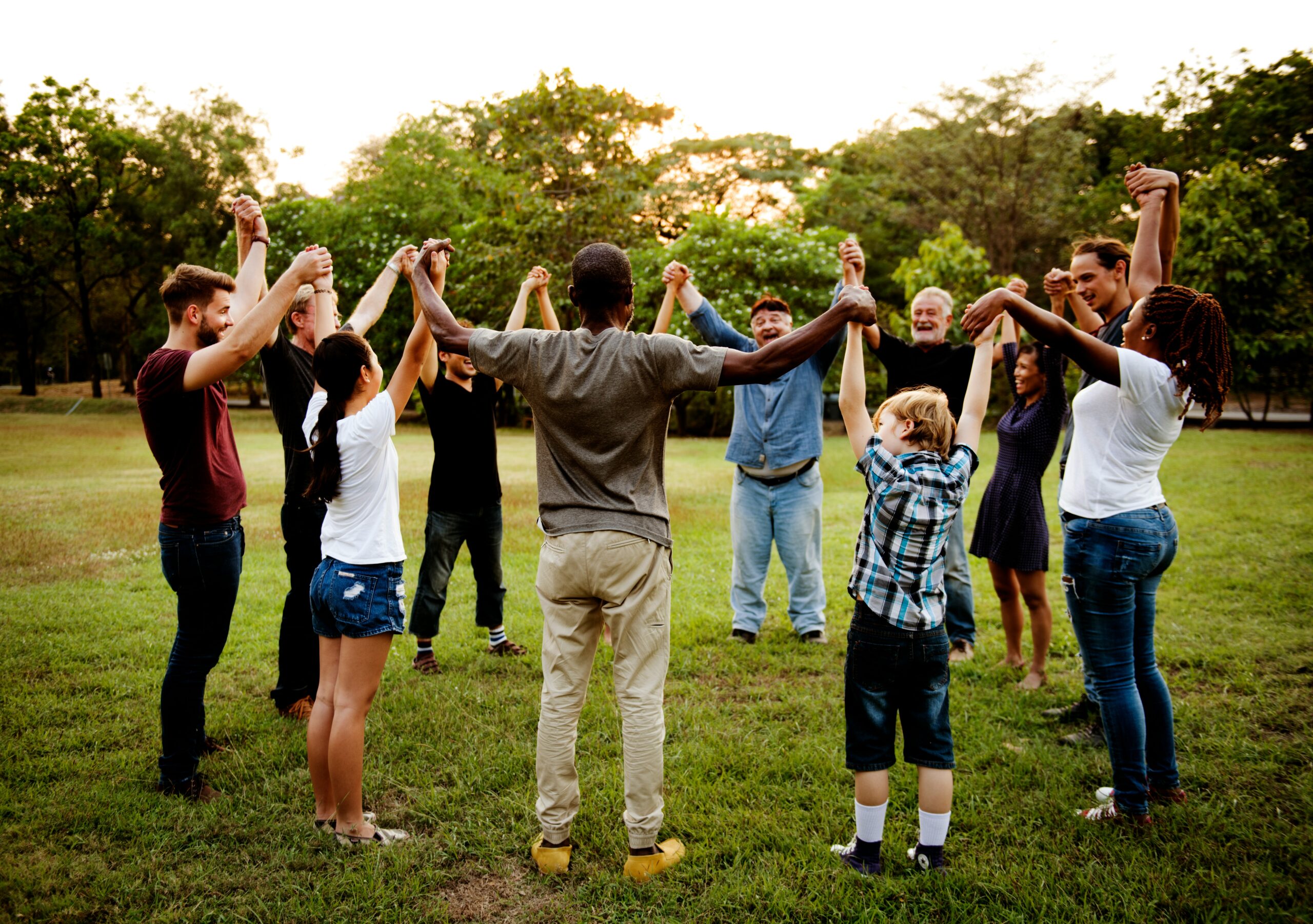
Community engagement creates opportunities for people to work together, solve local problems, and improve everyday life. When neighbors, businesses, schools, and nonprofit organizations join forces, they build stronger relationships that support lasting progress. Instead of waiting for change to happen, engaged citizens take action and inspire others to do the same. As a result, neighborhoods become safer, healthier, and more welcoming. Community Engagement encourages responsibility, strengthens trust, and gives every person a chance to make a meaningful difference. Although one volunteer effort may seem small, many people working together can create lasting improvements that benefit current and future generations.
Building Stronger Relationships
Positive social change begins with strong relationships. When people volunteer together or participate in local events, they create opportunities to meet neighbors and build trust. These shared experiences help individuals understand one another and create friendships that extend beyond a single project.
Strong relationships improve communication across the community. People become more comfortable sharing ideas, solving challenges, and supporting one another during difficult times. Therefore, neighborhoods become more united as residents work together rather than facing problems alone.
Creating a Shared Sense of Purpose
Communities grow stronger when people unite around common goals. Whether volunteers support local schools, clean public parks, or organize food drives, they contribute toward a better future for everyone. Every effort reminds participants that positive change depends on teamwork.
A shared purpose also inspires long-term commitment. People who experience the rewards of serving others often continue volunteering throughout their lives. Consequently, local organizations receive consistent support while communities benefit from ongoing participation.
Encouraging Civic Participation
Communities thrive when residents become active participants instead of passive observers. Local meetings, neighborhood projects, and volunteer opportunities encourage people to share ideas and contribute solutions. Through civic participation, residents gain a stronger voice in shaping the future of their neighborhoods.
Active citizens also become better informed about local needs. As they learn more about community challenges, they develop practical solutions that improve education, safety, public spaces, and neighborhood services. This involvement creates lasting improvements that benefit everyone.
Strengthening Trust Within Communities
Trust develops through consistent actions rather than simple promises. Community engagement creates opportunities for residents to work side by side while supporting meaningful causes. Every successful project demonstrates reliability, cooperation, and genuine concern for others.
Greater trust encourages stronger partnerships between residents, businesses, nonprofit organizations, and local leaders. As confidence grows, people become more willing to collaborate on larger projects that improve their communities. Strong partnerships create the foundation for continued progress.
Supporting Local Organizations
Many nonprofit organizations rely on volunteers to continue serving their communities. Local food banks, youth centers, shelters, libraries, and environmental groups depend on people who willingly contribute their time and skills. Volunteers help these organizations reach more people without greatly increasing operating costs.
Community engagement also increases awareness of important local causes. Volunteers often encourage friends, family members, and coworkers to participate. Therefore, organizations receive additional support, enabling them to expand valuable programs throughout the community.
Promoting Inclusion and Respect
Community engagement brings together individuals from different cultures, generations, and backgrounds. Working toward shared goals helps people appreciate different experiences while building mutual respect. These interactions reduce misunderstandings and encourage stronger relationships.
Inclusive communities become more resilient because everyone feels welcome to contribute. People who feel respected are more likely to volunteer, share ideas, and participate in future community activities. This sense of belonging strengthens neighborhoods over time.
Improving Personal Growth
Volunteering helps individuals develop valuable skills that support both personal and professional success. Community projects encourage communication, teamwork, leadership, organization, and problem-solving. As volunteers gain experience, they become more confident in their abilities.
Helping others also creates emotional rewards. Many volunteers discover a greater sense of purpose while reducing stress and building stronger friendships. These personal benefits encourage continued involvement and strengthen the overall community.
Inspiring Future Generations
Young people learn important lessons by watching adults serve their communities. Parents, teachers, coaches, and local leaders demonstrate the importance of generosity, responsibility, and cooperation through their actions. These positive examples often inspire children to become volunteers themselves.
Youth who participate in community service also gain confidence and leadership experience. They discover that their actions matter as they learn how teamwork creates meaningful results. These early experiences encourage lifelong involvement in community improvement.
Strengthening Community Development
Communities experience lasting progress when residents actively invest in local improvement. Volunteer efforts support cleaner neighborhoods, stronger schools, healthier environments, and better public services. These achievements contribute directly to community development while improving quality of life.
Successful communities continue growing because people remain involved long after individual projects end. Residents understand that lasting change requires ongoing commitment rather than temporary effort. This steady participation creates stronger neighborhoods year after year.
Encouraging Innovation Through Collaboration
Community engagement often brings together people with different skills and perspectives. As volunteers collaborate, they discover creative solutions to challenges that may have seemed impossible individually. New ideas emerge because participants combine their experiences and knowledge.
Innovation helps communities adapt to changing needs. Whether improving environmental programs, supporting local businesses, or expanding educational opportunities, collaboration fosters practical solutions that deliver measurable benefits for everyone involved.
Creating Healthier Communities
Active communities often experience stronger emotional well-being because people feel connected and supported. Volunteers build friendships while contributing to meaningful causes that improve public health, recreation, education, and neighborhood safety. These connections reduce isolation and encourage healthier lifestyles.
Healthier communities also become more resilient during difficult times. Residents who already trust one another respond more effectively during emergencies because they communicate quickly and work together. Strong social networks provide valuable support whenever challenges arise.