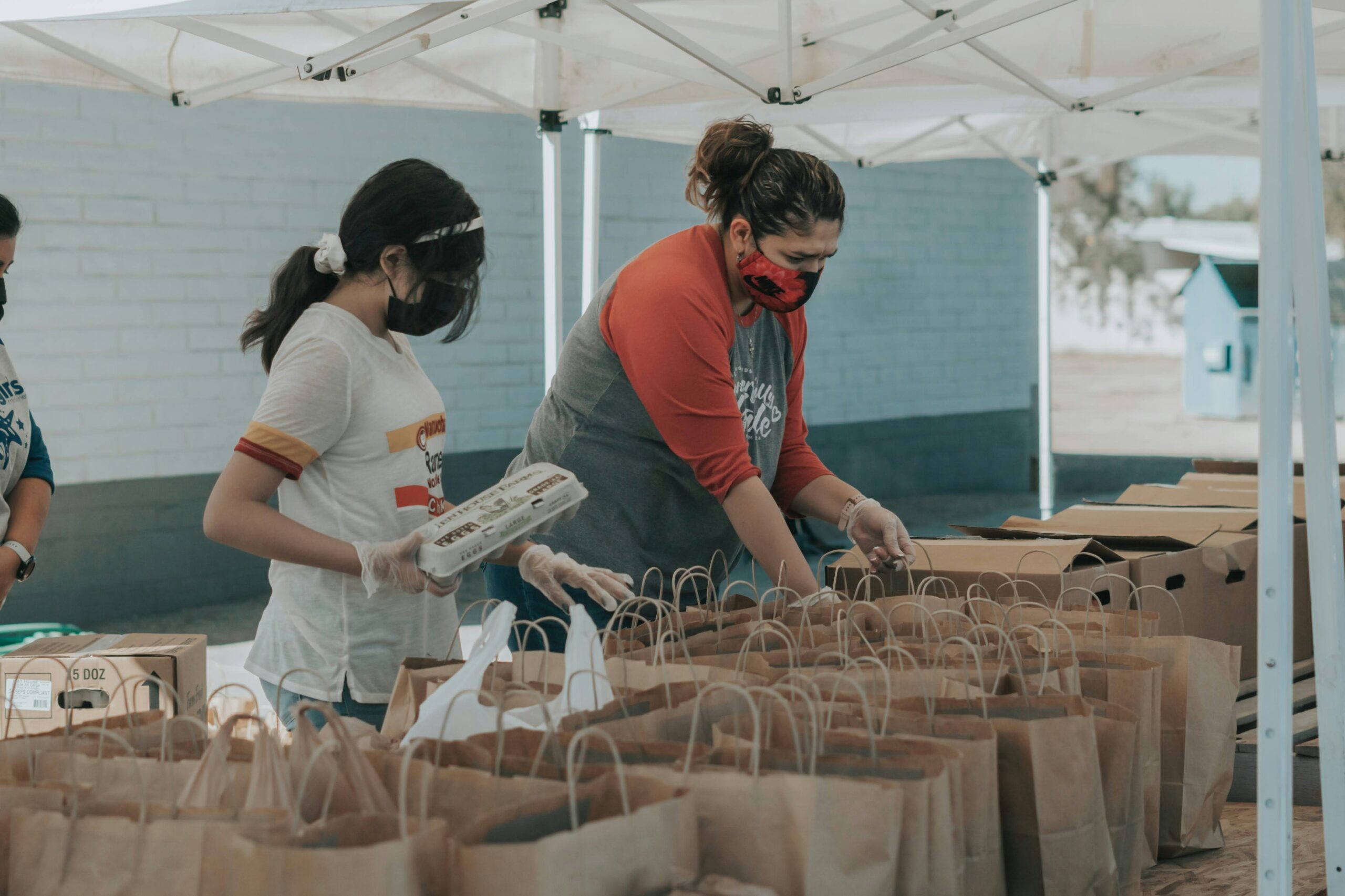
Volunteering offers more than the chance to help others. It also supports your physical health in meaningful ways. Whether you spend time at a food bank, community garden, animal shelter, or neighborhood cleanup, volunteer work often keeps your body active while giving your mind a sense of purpose. As a result, many people discover that regular volunteer activities improve their overall well-being. Moreover, staying involved in community service can encourage healthy habits that last for years.
Volunteering Encourages Regular Physical Activity
Many volunteer opportunities require movement throughout the day. For example, serving meals, organizing donations, planting trees, or helping at community events often involves walking, lifting, bending, and standing. These natural movements increase daily physical activity without making exercise feel like a chore.
In addition, volunteering creates a routine that motivates people to stay active. Instead of spending free time sitting at home, volunteers often look forward to meaningful tasks that keep them moving. Consequently, they build stronger muscles, improve flexibility, and support better cardiovascular health through consistent activity.
Better Heart Health Through Active Service
An active lifestyle benefits the heart, and volunteering often contributes to that goal. Walking around event locations, carrying supplies, or participating in outdoor projects helps improve circulation and keeps the heart working efficiently. Therefore, regular volunteer work may reduce the health risks linked to inactivity.
Furthermore, people who volunteer frequently tend to remain physically engaged over time. Even moderate activity performed several times each week can improve endurance and support healthy blood pressure. As a result, volunteering becomes another valuable part of a heart-healthy lifestyle.
Reduced Stress Supports Physical Wellness
Stress affects the body in many ways. It can raise blood pressure, weaken the immune system, and contribute to poor sleep. Fortunately, volunteering often reduces stress because it shifts attention toward helping others and creating positive change. Consequently, many volunteers report feeling calmer after completing meaningful work.
Additionally, lower stress levels benefit physical health in several ways. The body responds better to daily challenges, muscles remain more relaxed, and overall energy levels often improve. Therefore, volunteering helps create both emotional balance and stronger physical wellness.
Stronger Immune Function Through Healthy Habits
People who volunteer regularly often develop healthier routines. They may sleep better, spend more time outdoors, and remain socially connected. Together, these habits strengthen the immune system and help the body respond more effectively to illness.
Moreover, volunteering encourages consistency. Scheduled activities give people a reason to maintain good daily routines, including balanced eating and regular movement. As these positive behaviors become habits, the body gains additional protection against common health concerns.
Increased Energy and Better Mobility
Physical activity naturally boosts energy, and volunteering offers many opportunities to stay active. Whether helping with construction projects, assisting at charity walks, or organizing community programs, volunteers frequently remain active for extended periods. Consequently, they often experience improved stamina throughout the day.
Likewise, regular movement helps preserve balance, flexibility, and joint mobility. This benefit becomes especially valuable as people age because staying active supports long-term independence. Therefore, volunteering is an enjoyable way to maintain physical strength without relying solely on traditional workouts.
Healthy Aging Through Community Involvement
Older adults benefit greatly from volunteer opportunities that match their abilities. Community service encourages gentle physical movement while providing meaningful social interaction. As a result, many seniors remain active and engaged long after retirement.
Furthermore, staying physically involved reduces the likelihood of a sedentary lifestyle. Volunteers often continue walking, lifting light objects, or participating in outdoor activities that help maintain muscle strength and coordination. These ongoing efforts support healthy aging and improve overall quality of life.
Building Long-Term Healthy Habits
Volunteering does more than provide temporary health benefits. It encourages a lifestyle centered on activity, responsibility, and personal well-being. Because volunteer commitments are often regular, they help establish consistent routines that support long-term physical health.
Finally, volunteering reminds people that caring for others and caring for themselves can happen at the same time. Every hour spent helping a community also encourages movement, lowers stress, and promotes healthier daily choices. Over time, these combined benefits create stronger bodies, greater energy, and a healthier life while making a meaningful difference in the lives of others.