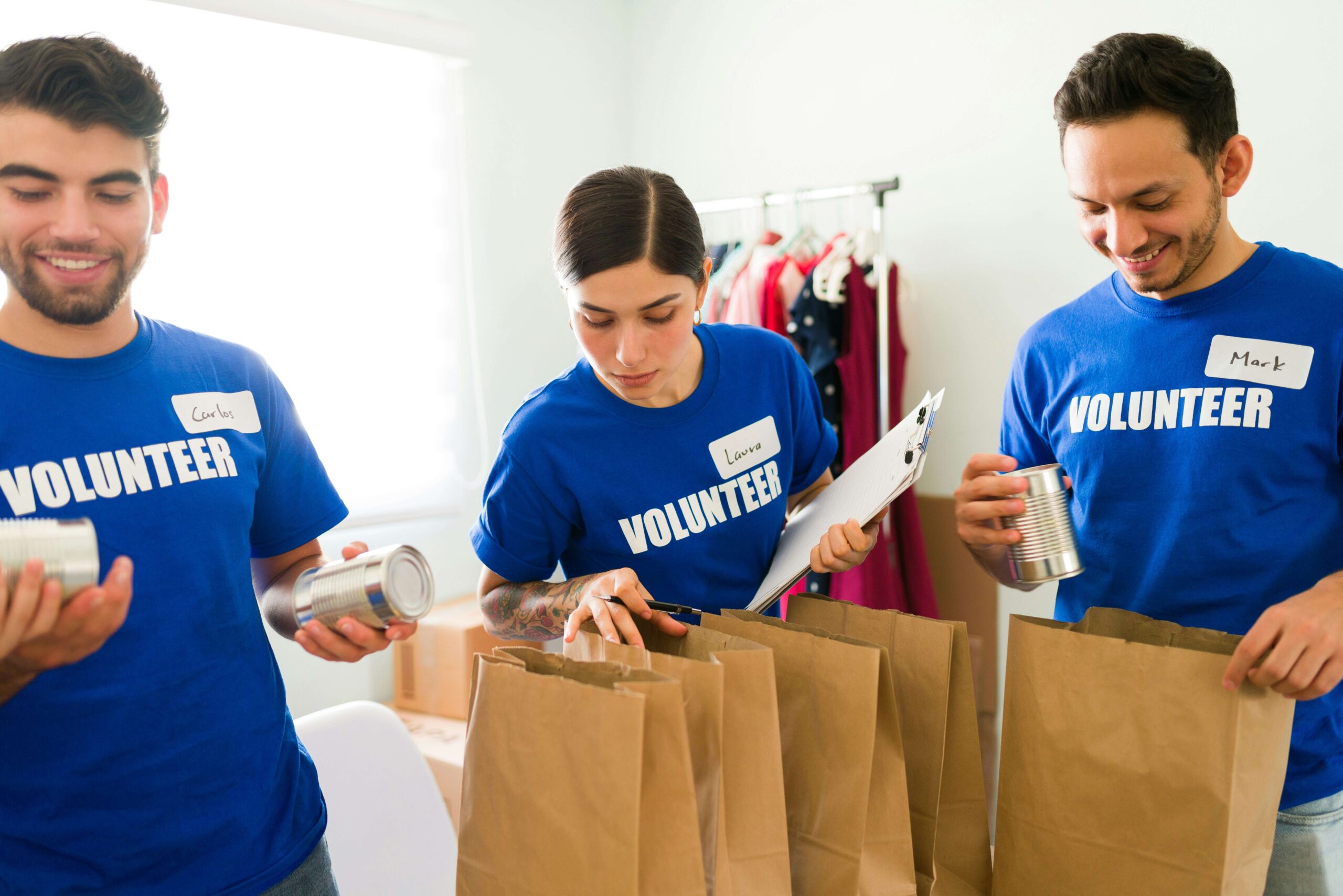
Staying physically active helps maintain good health, boost energy levels, and support overall well-being. However, finding the motivation to exercise regularly can be difficult, especially for people with busy schedules or limited interest in traditional workouts. Volunteering offers a practical and enjoyable alternative. Many community service activities involve walking, lifting, organizing, cleaning, gardening, and other forms of movement. These tasks allow people to stay active while making a positive difference in their communities. By combining physical activity with meaningful social involvement, volunteering can become a valuable part of a healthier lifestyle.
Volunteering Makes Everyday Movement More Meaningful
One of the main benefits of volunteering is that it encourages people to move naturally throughout the day. Instead of spending time in a gym or following a strict exercise routine, volunteers can participate in activities that require regular physical effort.
Helping at community events, assisting with local projects, and supporting charitable organizations often involve standing, walking, carrying supplies, and moving between different locations. These simple activities can reduce sedentary time and help people develop more active daily habits.
Volunteering also gives physical activity a clear purpose. People may feel more motivated to complete a task when they know their efforts are helping others. This sense of responsibility can make regular movement feel less like an obligation and more like an enjoyable experience.
Community Gardening Supports Physical Fitness
Community gardening is an excellent volunteering opportunity for people who enjoy spending time outdoors. Planting flowers, preparing soil, watering plants, removing weeds, and maintaining green spaces involve different types of physical movement.
These activities can help improve flexibility, balance, and general endurance. Gardening also encourages people to spend time outside, where they can enjoy fresh air and natural surroundings.
Working in a community garden offers a chance to connect with neighbors while contributing to a cleaner, greener environment. Volunteers can learn practical gardening skills and enjoy the satisfaction of watching their work produce visible results.
Helping With Local Events Encourages Movement
Community events often require volunteers to assist with preparation, organization, and cleanup. These responsibilities can involve arranging chairs, setting up equipment, carrying materials, guiding visitors, and keeping public spaces organized.
Such activities provide opportunities to stay physically engaged without following a formal fitness program. Volunteers may spend several hours moving around, completing different tasks, and interacting with other participants.
Local charity walks, fundraising events, cultural festivals, and neighborhood gatherings are particularly useful opportunities for people who want to combine social participation with physical activity. Choosing responsibilities that match personal fitness levels can make the experience comfortable and sustainable.
Environmental Volunteering Promotes an Active Lifestyle
Environmental projects offer another practical way to stay physically active while supporting important community goals. Activities such as park cleanups, tree planting, recycling campaigns, and neighborhood improvement programs often involve walking, bending, reaching, and carrying lightweight equipment.
These movements engage different muscle groups and encourage participants to remain active for extended periods. Outdoor volunteering can also make exercise more enjoyable because people are working toward a shared environmental purpose.
Regular cleanup activities can improve public spaces and raise awareness of environmental responsibility. It also provides a healthy reason to spend less time sitting indoors.
Volunteering Improves Social and Emotional Well-Being
Physical activity is only one part of a healthy lifestyle. Social connections and emotional well-being are equally important. Volunteering helps people meet others, build friendships, and become more involved in their communities.
Working with different individuals can reduce feelings of isolation and create a stronger sense of belonging. Positive social experiences may also improve motivation and encourage people to maintain healthy routines.
Helping others can provide a sense of accomplishment and personal satisfaction. When people feel connected to a meaningful purpose, they may become more enthusiastic about participating in regular community activities.
Choosing Volunteer Activities That Match Your Fitness Level
The best volunteering opportunity fits your physical abilities, interests, and available time. People new to physical activity can start with simple responsibilities, such as organizing supplies, helping at community centers, or assisting with neighborhood projects.
Those who enjoy more movement may prefer gardening, park maintenance, food distribution, or preparing for outdoor events. Understand each activity’s physical demands before participating.
Volunteers should also wear comfortable clothing, use appropriate safety equipment, drink enough water, and take breaks when needed. Anyone with health concerns or physical limitations should choose suitable tasks and seek professional guidance when necessary.
Building Healthier Habits Through Community Service
Volunteering provides a simple way to combine physical movement, social interaction, and meaningful contributions. It lets people stay active while supporting causes that improve others’ lives.
Whether through gardening, environmental projects, charity events, or neighborhood programs, regular volunteer work can make everyday movement more enjoyable and purposeful. By choosing activities that match their abilities and interests, individuals can develop healthier routines and stronger community connections. Volunteering is not a replacement for structured exercise, but it can effectively complement an active lifestyle and support long-term physical and emotional well-being.