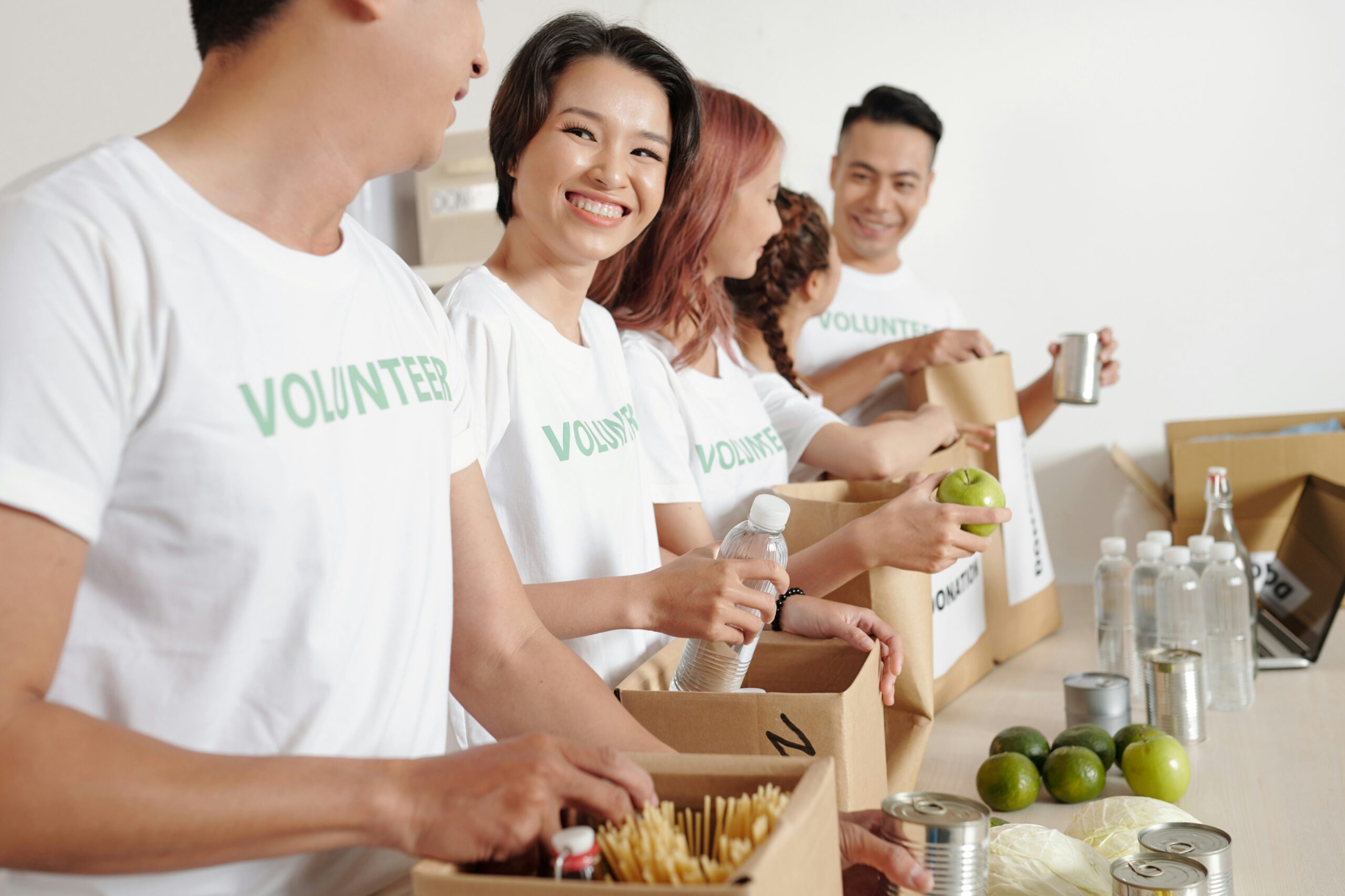
Many people sign up to volunteer because they want to give back to their communities. What they often don’t realize is how much they gain in return. One of the most surprising returns is improved physical health. Whether you’re stocking shelves at a food pantry, building homes, or walking dogs at an animal shelter, your body gets moving. That movement adds up over time and can become a crucial part of a healthier lifestyle.
When you look at how volunteering helps you stay physically healthy, the evidence is compelling. The physical tasks involved in most volunteer work get your heart pumping and your muscles engaged. Over time, this consistent activity supports cardiovascular health, builds endurance, and strengthens your immune system. You don’t need to hit the gym to benefit from regular movement, especially when it’s tied to something meaningful.
Volunteering Keeps You Moving Without the Pressure
Traditional workouts can feel like a chore. Many people struggle with staying consistent because exercising alone doesn’t always feel rewarding in the short term. Volunteering flips that feeling. The act of helping someone else shifts your focus from the physical effort to the purpose. That shift makes physical movement feel natural instead of forced.
The beauty of volunteering is that it allows people of all fitness levels to participate. You don’t need to be in top shape to help carry food donations or assist with park cleanups. Yet, those small efforts quickly add up. Over time, your strength, stamina, and flexibility all improve. You end up building an active lifestyle through volunteering, and that supports your health long-term.
Stress Reduction Through Meaningful Physical Activity
Stress contributes to many physical health issues, including heart disease, digestive problems, and high blood pressure. Volunteering gives you a powerful tool to reduce that stress. When you engage in physical volunteer work, your body releases endorphins. These natural chemicals improve mood and decrease stress levels. That stress relief directly benefits your physical health by lowering inflammation and improving heart function.
More importantly, volunteering gives your mind a break from daily worries. When you’re focused on helping others, your brain gets a much-needed shift away from your own concerns. This emotional shift allows the body to relax, recover, and recharge. That’s why volunteering helps you stay physically healthy: it’s not just about movement, but also about what it does for your mind.
A Community That Encourages Healthier Habits
Getting involved in a volunteer community also introduces you to people who value connection and well-being. Surrounding yourself with active, generous people can encourage healthier habits. Take more walks with other volunteers, eat better, or sleep more soundly. These small changes make a big difference over time.
Volunteering provides built-in motivation to keep showing up. Unlike an exercise routine you do alone, volunteer work involves other people counting on you. That accountability makes it easier to stay active even when your energy dips. The relationships you build can foster a sense of purpose, helping you fight the physical effects of loneliness and isolation.
Improved Mobility and Flexibility With Age
As we get older, staying mobile becomes more important. Volunteer tasks that involve walking, bending, lifting, or standing help preserve mobility and joint health. Instead of relying on machines or rigid fitness routines, volunteering provides movement in more natural ways. These types of real-world motions are easier to maintain because they mimic the activities we do every day.
Research shows that seniors who volunteer regularly report fewer physical limitations. That’s because they maintain strength and balance without overexerting themselves. The focus remains on helping others, not on physical strain. For older adults, this becomes a gentle yet effective way to stay engaged and physically strong.
Volunteering Supports Better Sleep and Energy Levels
Many people who start volunteering notice that they sleep better at night. This improvement in sleep comes from both physical activity and reduced stress. When you’re active during the day, your body naturally becomes more tired and ready to rest. At the same time, the emotional fulfillment you get from helping others can calm an overactive mind at bedtime.
Better sleep leads to better energy. It becomes a cycle that supports your physical health in meaningful ways. When you feel more rested, you move more during the day. You’re less likely to rely on caffeine or processed snacks for quick energy. Over time, these shifts create a healthier foundation for your daily life.
Building Endurance and Confidence Through Routine
When you volunteer consistently, your body becomes more used to movement. Even if you start slowly, that regular effort improves your endurance. You begin walking longer distances, carrying heavier items, or staying on your feet for more extended periods. These changes sneak up on you because the focus is never on performance. It’s about helping others.
With every act of service, your physical confidence grows. You begin to trust your body more, which makes you more willing to try new things. This kind of growth is among the most potent ways volunteering improves your well-being. You start seeing yourself as capable and strong, which pushes you to stay active.
The Lasting Impact of a Giving Lifestyle
A lifestyle built around giving and helping tends to embrace physical health. When you volunteer, your schedule includes built-in movement, meaningful social connections, and a reason to get outside. These elements work together to support a healthier body and mind over the long term. It becomes less about trying to be healthy and more about living a life that naturally supports your health.
How volunteering helps you stay physically healthy is about more than just calories burned. It’s about living in alignment with values that nourish your body, energize your spirit, and improve your outlook. The benefits don’t just last for a day or a week. They build over time and help create a foundation for lifelong wellness.