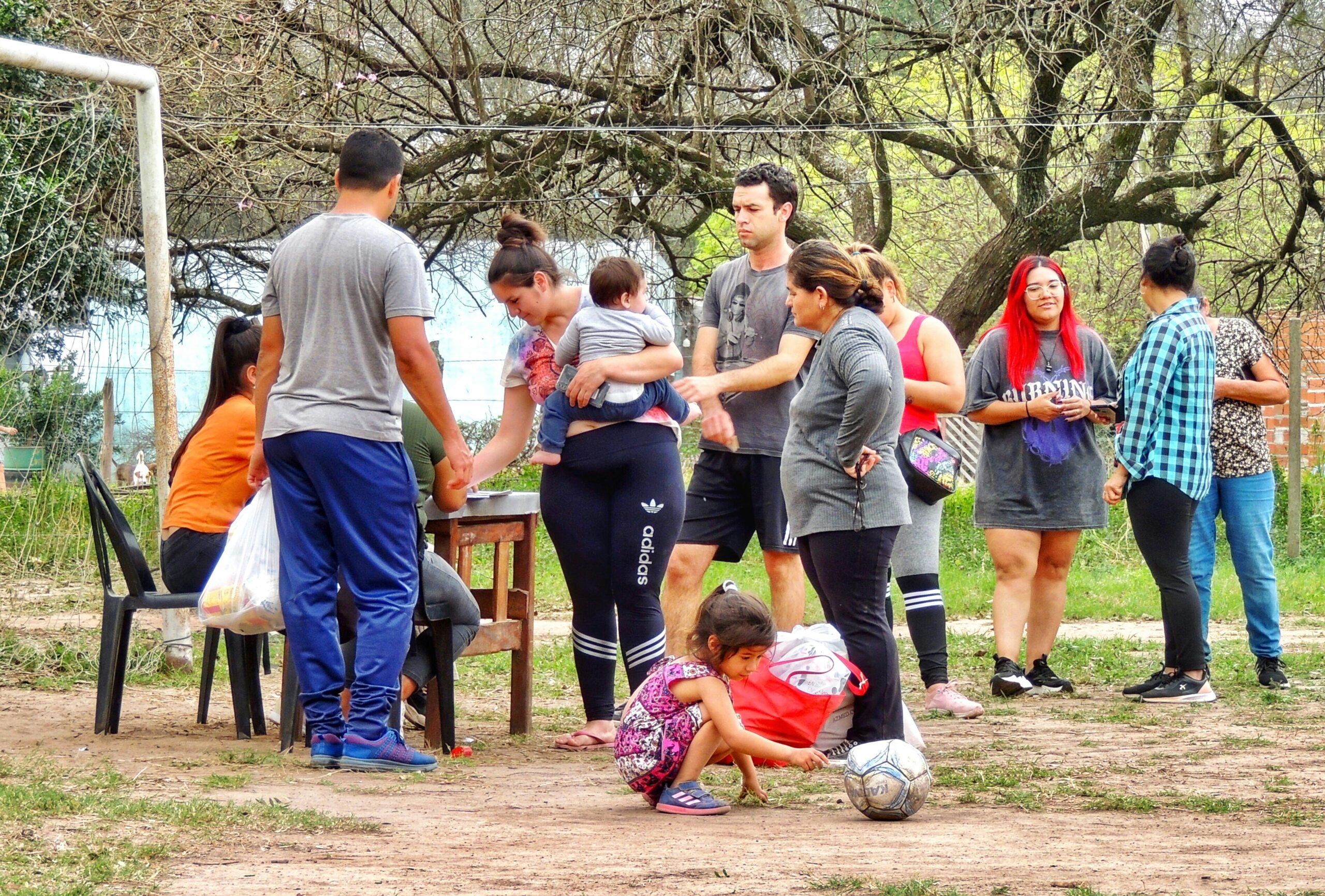
Community engagement and volunteerism play a vital role in shaping healthy, resilient neighborhoods across the United States. When individuals come together to support shared goals, they strengthen social bonds and create environments where people feel valued and heard. From local clean-up events to mentoring programs and civic advocacy, active participation helps communities grow in meaningful and lasting ways.
In today’s fast-paced world, it can be easy to feel disconnected from neighbors and local issues. However, volunteering time and skills reconnects people to their surroundings and encourages a sense of responsibility. By investing in community engagement and volunteerism, individuals help create inclusive spaces where collaboration and compassion thrive.
Understanding Community Engagement and Volunteerism
Community engagement is the process of working collaboratively with groups of people to address issues that affect their well-being. It involves open communication, shared decision-making, and collective action. Volunteerism, on the other hand, is the act of offering time and services freely without expecting financial compensation. Together, these concepts empower residents to influence positive change at the local level.
Engagement and volunteer efforts can take many forms. People may participate in neighborhood associations, serve at food banks, support local schools, or advocate for policy improvements. These activities build trust between residents and local leaders and foster a culture of cooperation. When individuals actively contribute, they help ensure that community priorities reflect the diverse voices within the population.
Strengthening Social Connections
One of the greatest benefits of community engagement and volunteerism is the creation of strong social connections. When people work side by side toward a shared objective, they develop mutual understanding and respect. These relationships reduce feelings of isolation and promote a sense of belonging, both of which are essential for emotional well-being.
Social ties built through volunteering often extend beyond individual projects. Neighbors who meet during a community event may continue supporting each other in times of need. These connections contribute to safer neighborhoods and improved communication among residents. Over time, a network of engaged individuals forms a reliable support system that enhances the community’s overall resilience.
Supporting Local Development
Community engagement and volunteerism also drive local development. Volunteers contribute valuable skills and labor that support projects such as park revitalization, literacy programs, and public health initiatives. Their involvement reduces costs for nonprofit organizations and allows resources to be allocated more effectively.
Beyond physical improvements, engagement fosters informed decision-making. When residents attend town hall meetings or participate in community planning sessions, they help shape policies that directly affect their daily lives. This collaborative approach encourages transparency and accountability, leading to sustainable growth and more equitable outcomes for all members of the community.
Promoting Civic Responsibility
Active participation in community efforts nurtures a strong sense of civic responsibility. Regular volunteers are more likely to stay informed about local issues and participate in democratic processes. They recognize that their actions contribute to the broader good and that meaningful change often begins at the grassroots level.
Civic responsibility also encourages respect for diversity and differing perspectives. Through dialogue and collaboration, community members learn to listen to one another and seek common ground. This practice strengthens democratic values and reinforces the idea that every voice matters. As a result, communities become more inclusive and adaptable in the face of challenges.
Enhancing Personal Growth
Volunteering offers significant personal benefits alongside community impact. Individuals often gain new skills, expand professional networks, and discover passions they may not have previously explored. Whether organizing events, mentoring youth, or assisting with administrative tasks, volunteers develop leadership and communication abilities that can enhance career prospects.
Personal growth also comes from the emotional rewards of giving back. Helping others fosters a sense of accomplishment and purpose. Many volunteers report increased self-confidence and improved mental health as a result of their service. These positive experiences encourage continued involvement and inspire others to participate.
Encouraging Youth Participation
Engaging young people in volunteer activities is essential for cultivating future leaders. Youth participation introduces students to civic responsibility at an early age and helps them understand the importance of contributing to society. Schools, community centers, and faith-based organizations often provide structured programs that guide young volunteers in meaningful service projects.
Involvement in community initiatives teaches young people teamwork, empathy, and problem-solving skills. It also strengthens their connection to their neighborhoods and promotes positive behavior. By investing in youth engagement, communities lay the groundwork for sustained volunteerism and long-term civic involvement.
Building Inclusive Communities
Community engagement and volunteerism can bridge social, economic, and cultural divides. When individuals from diverse backgrounds collaborate on shared projects, they gain insight into different experiences and perspectives. This interaction fosters understanding and reduces prejudice, contributing to a more harmonious social environment.
Inclusive volunteer efforts ensure that marginalized voices are heard and represented. Organizations that prioritize accessibility and diversity create opportunities for everyone to participate. As more people feel welcomed and valued, the overall impact of community initiatives grows stronger and more representative of the population’s needs.
Overcoming Challenges in Engagement
Despite its many benefits, community engagement can face obstacles, such as limited time, insufficient resources, or low awareness of opportunities. Busy schedules and competing responsibilities may prevent individuals from volunteering regularly. Additionally, some residents may feel uncertain about how to get involved or question whether their contributions will make a difference.
Addressing these challenges requires intentional outreach and flexible options. Organizations can offer a variety of volunteer roles, virtual participation, and clear communication about the impact of service. By removing barriers and highlighting tangible results, communities can encourage broader involvement and sustain long-term engagement.
Creating a Culture of Service
Developing a culture of service begins with leadership and shared values. When local institutions, businesses, and civic leaders prioritize volunteerism, they set a powerful example. Recognizing volunteers publicly and celebrating their achievements reinforces the importance of community contribution.
A culture of service also thrives when residents view engagement as a normal and rewarding part of life. Encouraging collaboration between schools, nonprofits, and local governments strengthens this mindset. Over time, consistent participation transforms volunteerism from an occasional activity into an enduring tradition that defines a neighborhood’s character.
Community engagement and volunteerism remain essential components of vibrant, thriving communities. Through shared effort and mutual support, individuals build stronger relationships, enhance local development, and promote inclusive growth. By embracing opportunities to serve, people not only improve their surroundings but also enrich their own lives.