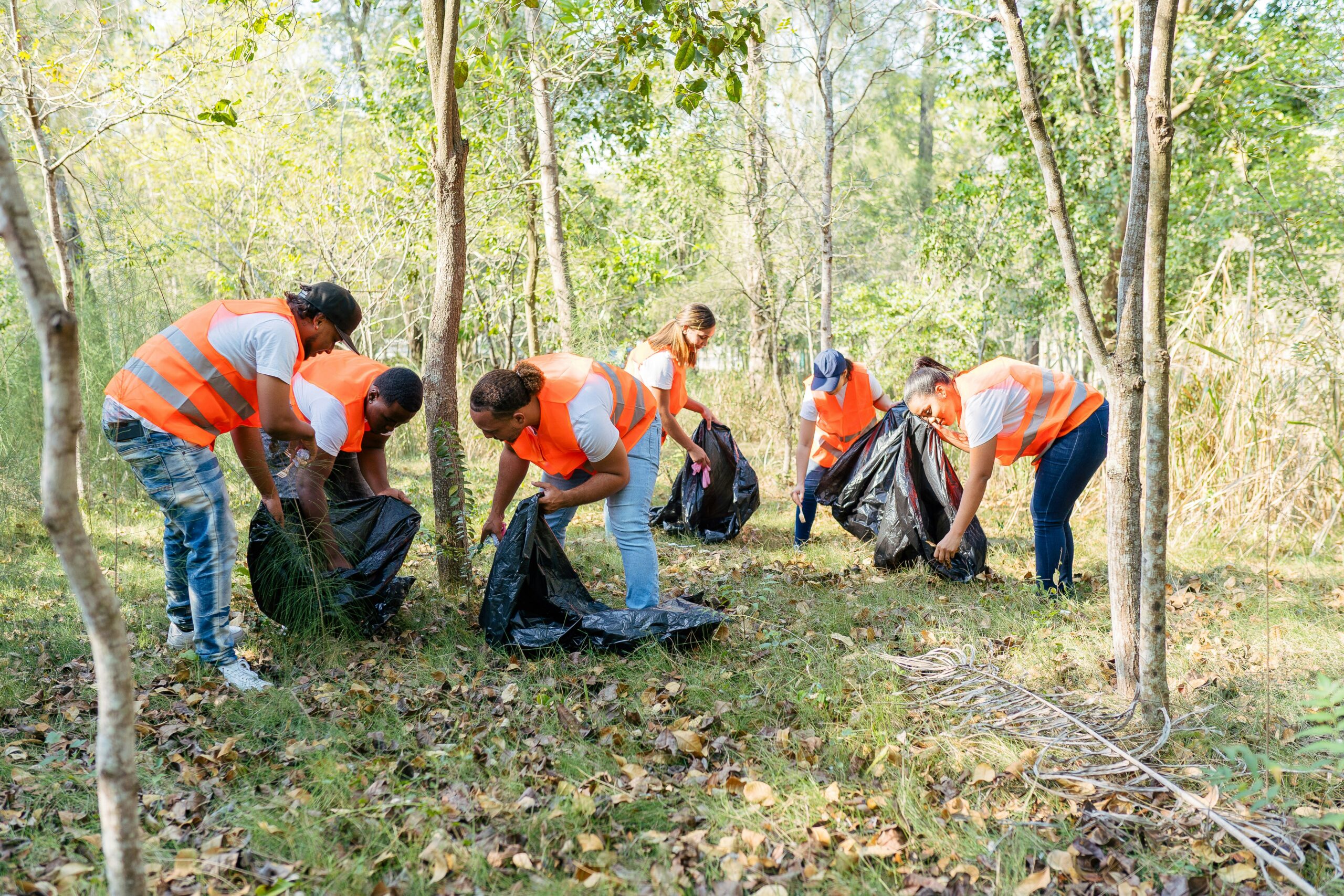
Community volunteering plays an important role in building stronger people and healthier neighborhoods. When individuals give their time to help others, the impact goes far beyond one good deed. The benefits of community volunteering touch personal growth, social bonds, and even long term community success. This article explains the five most meaningful benefits of community volunteering in a clear and simple way, showing why it matters to everyone involved.
1. Community volunteering builds stronger social connections
One of the most important benefits of community volunteering is the way it brings people together. Many people feel isolated in daily life, even when they live in busy cities. Volunteering creates a chance to meet others who care about the same goals and values.
When people work side by side at food banks, shelters, schools, or clean up events, they form real connections. These connections are based on shared action, not small talk. Over time, these relationships can grow into friendships, support networks, and trusted partnerships.
Community volunteering also helps break down social barriers. People from different ages, cultures, and backgrounds come together for a common purpose. This builds understanding and respect. Strong social ties make neighborhoods safer and more welcoming for everyone.
2. Volunteering improves mental and emotional well being
Another key benefit of community volunteering is its positive effect on mental health. Helping others gives people a sense of purpose. Purpose can reduce feelings of stress, sadness, and loneliness.
When volunteers see the direct results of their efforts, they often feel proud and fulfilled. Simple actions, such as tutoring a child or serving meals, can boost confidence and self worth. These positive feelings support emotional balance and resilience.
Community volunteering can also provide structure. Regular volunteer work gives people something to look forward to each week. This routine can be helpful for those facing life changes, retirement, or recovery periods. Feeling useful and valued improves overall mental health in a natural and healthy way.
3. Community volunteering develops useful life and work skills
Many people do not realize that one of the practical benefits of community volunteering is skill development. Volunteer roles often require teamwork, communication, planning, and leadership. These skills are valuable in everyday life and in the workplace.
For students and young adults, community volunteering offers real world experience. Volunteers may learn how to organize events, manage time, or solve problems. These experiences can strengthen resumes and college applications.
Adults also benefit from skill growth. Some volunteers discover new talents or interests. Others improve skills they already have. Teaching, organizing, and mentoring sharpen abilities that can lead to career growth or new opportunities. Community volunteering allows people to learn while making a positive difference.
4. Volunteering strengthens communities and local services
The benefits of community volunteering extend beyond individuals. Communities become stronger when residents actively support local needs. Many nonprofit groups and public programs rely on volunteers to operate.
Volunteers help fill gaps in services that might otherwise be limited due to funding or staff shortages. They support schools, parks, shelters, libraries, and health programs. This support improves quality of life for everyone in the area.
Community volunteering also builds a sense of shared responsibility. When people care for their neighborhoods, they are more likely to protect and improve them. Clean streets, active youth programs, and supportive services create healthier communities. These improvements often lead to safer environments and stronger local pride.
5. Community volunteering encourages empathy and civic awareness
One of the deeper benefits of community volunteering is the growth of empathy. Volunteers often work with people facing challenges they may not have experienced before. This exposure builds understanding and compassion.
Seeing real needs up close helps volunteers better understand social issues. Hunger, housing struggles, education gaps, and health concerns become personal rather than distant ideas. This awareness can change how people view the world around them.
Community volunteering also encourages civic engagement. Volunteers often become more informed about local issues and policies. They may feel inspired to vote, attend meetings, or advocate for positive change. Active citizens help create fairer and more responsive communities.
Why the benefits of community volunteering matter for the future
The benefits of community volunteering are not limited to the present moment. They help shape a stronger future. When people develop empathy, skills, and social ties, they contribute to long term stability and growth.
Young people who volunteer often carry these values into adulthood. Adults who volunteer model positive behavior for others. This creates a cycle of service and care that can last for generations.
Community volunteering also supports resilience during difficult times. Communities with strong volunteer networks respond better to crises. Neighbors help neighbors, and recovery becomes faster and more effective.
How to start experiencing the benefits of community volunteering
Getting started with community volunteering does not need to be complicated. Local schools, nonprofits, and community centers often welcome new volunteers. Many opportunities fit different schedules and interests.
People can start small. Even a few hours a month can make a difference. Over time, volunteers often find that the experience gives back more than expected. The benefits of community volunteering grow with continued involvement.
Community volunteering is not about perfection or expertise. It is about showing up and caring. Every effort matters, and every volunteer helps build a stronger, kinder community.
Final thoughts on the benefits of community volunteering
The benefits of community volunteering reach far beyond simple acts of kindness. Volunteering strengthens social bonds, improves mental health, builds skills, supports communities, and grows empathy. These five benefits show why volunteering remains a powerful force in society.
By giving time and effort, people gain purpose, connection, and understanding. Communities become safer, healthier, and more united. Community volunteering is a shared investment that improves lives, one action at a time.